Description
Crane Scale With Barcode Label Printer for Heavy Industrial Dispatch
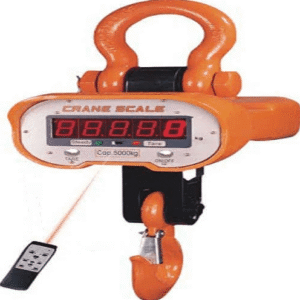
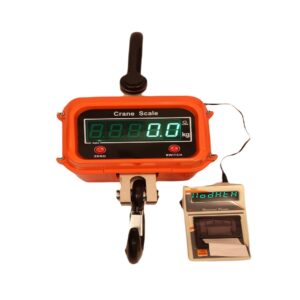
This crane scale with barcode label printer is built for factories where material is weighed while being lifted, moved, loaded or dispatched. It is suitable for steel bundles, aluminium coils, brass rods, billets, ingots, scrap lots, drums, pipes and warehouse pallets where manual weight entry creates stock mismatch and dispatch disputes.
Punit Instrument Pvt Ltd combines industrial crane weighing, barcode or QR label printing, cloud data storage and inventory reporting in one workflow. The operator lifts the material, captures the weight, prints the label, and the record is stored for production, stock and dispatch tracking.
Primary Use Cases
- Steel plants weighing TMT bundles, billets, bars, plates and coils before dispatch.
- Aluminium industries printing coil labels with weight, batch, grade and customer details.
- Brass and copper units tracking rods, tubes, scrap bags and finished bundles.
- Foundries recording casting, ingot, runner and scrap movement by weight.
- Warehouses creating barcode labels for inward, outward and stock transfer material.
Problems This System Solves
- Manual crane weight entries in registers, Excel sheets or WhatsApp messages.
- Mismatch between production weight, dispatch weight and invoice weight.
- No label-level traceability after bundles or coils leave the shop floor.
- Delayed stock updates because weighment data is entered later by office staff.
- Difficulty proving exact material movement during customer or internal disputes.
How the Crane Scale Printing Workflow Works
| Step | Workflow | Industrial Benefit |
|---|---|---|
| 1 | Material is lifted on the crane scale. | Weight is captured at the actual handling point. |
| 2 | Operator selects material, grade, party, heat number or batch. | Label data matches factory terminology. |
| 3 | Barcode or QR label is printed. | Bundle, coil, pallet or lot becomes traceable. |
| 4 | Record is stored in software or cloud database. | Production, stock and dispatch reports are available instantly. |
| 5 | Barcode is scanned during dispatch or stock transfer. | Wrong material and wrong-weight dispatch errors reduce sharply. |
Key Features
- Crane scale with label printer for industrial weighing and identification.
- Barcode and QR-code label printing with weight, date, time, item, batch, heat number, operator and customer fields.
- Cloud inventory software for stock movement, dispatch history and production reports.
- ERP-ready exports for SAP, Tally, Excel and custom factory software.
- Suitable for harsh shop-floor environments, loading bays, dispatch yards and metal warehouses.
- Custom label formats for coil labels, bundle tags, pallet labels, drum labels and scrap lot labels.
- Audit-friendly reports for inward, outward, production, rejection and stock transfer records.
Technical Configuration Options
| Capacity | Configured according to crane and material requirement. |
|---|---|
| Printing | Barcode label printer, QR label printer or thermal sticker printer integration. |
| Data Fields | Weight, item name, grade, batch, heat number, coil number, party name, vehicle number, operator and shift. |
| Software | Local PC software, cloud reporting, Excel export and ERP integration options. |
| Industries | Steel, aluminium, brass, copper, foundry, scrap, logistics and industrial warehousing. |
Why It Matters for Steel, Aluminium and Brass Plants
In metal industries, one wrong label can create a wrong dispatch, customer complaint or inventory mismatch. A crane scale with printer reduces dependence on handwriting and delayed data entry. Each bundle or coil can carry its own weight identity, so production, quality, stores and dispatch teams work from the same record.
For example, a steel dispatch yard can label each TMT bundle with heat number and actual weight. An aluminium coil unit can print coil labels with grade, width, batch and net weight. A brass rod manufacturer can track bundle-wise production and dispatch without typing every weight manually.
Comparison: Manual Crane Weighing vs Automated Printed Labels
| Manual Process | Punit Automated Crane Scale Printing |
|---|---|
| Weight written by operator. | Weight captured digitally from the crane scale. |
| Label prepared manually or not prepared at all. | Barcode or QR label printed immediately. |
| Inventory updated later. | Inventory record created at the time of weighing. |
| Traceability depends on staff memory. | Traceability follows barcode, batch and weight record. |
| High chance of dispatch mismatch. | Scanning and printed data support verification. |
Internal Links for Related Buying Needs
- Weighing scale with printer category guide
- Industrial weighing scale with barcode printer and inventory software
- Receipt printing platform weighing scale for dispatch
- Weighing scale with SAP and ERP integration software
Frequently Asked Questions
Can this crane scale print barcode labels?
Yes. The system can print barcode or QR labels after crane weighment, depending on the label format and printer selected.
Can labels include heat number, batch number and customer name?
Yes. Labels can be customized to include heat number, batch number, grade, item, customer name, vehicle number, operator, shift, date and time.
Is this suitable for steel and aluminium industries?
Yes. It is especially useful for steel bundles, aluminium coils, brass rods, metal scrap, foundry material and heavy warehouse stock movement.
Can it connect with ERP software?
Yes. Reports can be exported or integrated with ERP systems such as SAP, Tally, Excel-based workflows and custom software, subject to project scope.
What is the price of a crane scale with label printer?
Price depends on capacity, printer type, label size, software requirement, cloud access, ERP integration and installation environment. Contact Punit Instrument Pvt Ltd for a configured quotation.
Request a Demo
Share your material type, crane capacity, label format and reporting requirement. Our team can suggest the correct crane scale with barcode label printer workflow for your production, stock or dispatch process.